Communication Without Limits: Celebrating 40 Years of Communication Matters
Leeds | 14-15 September 2026
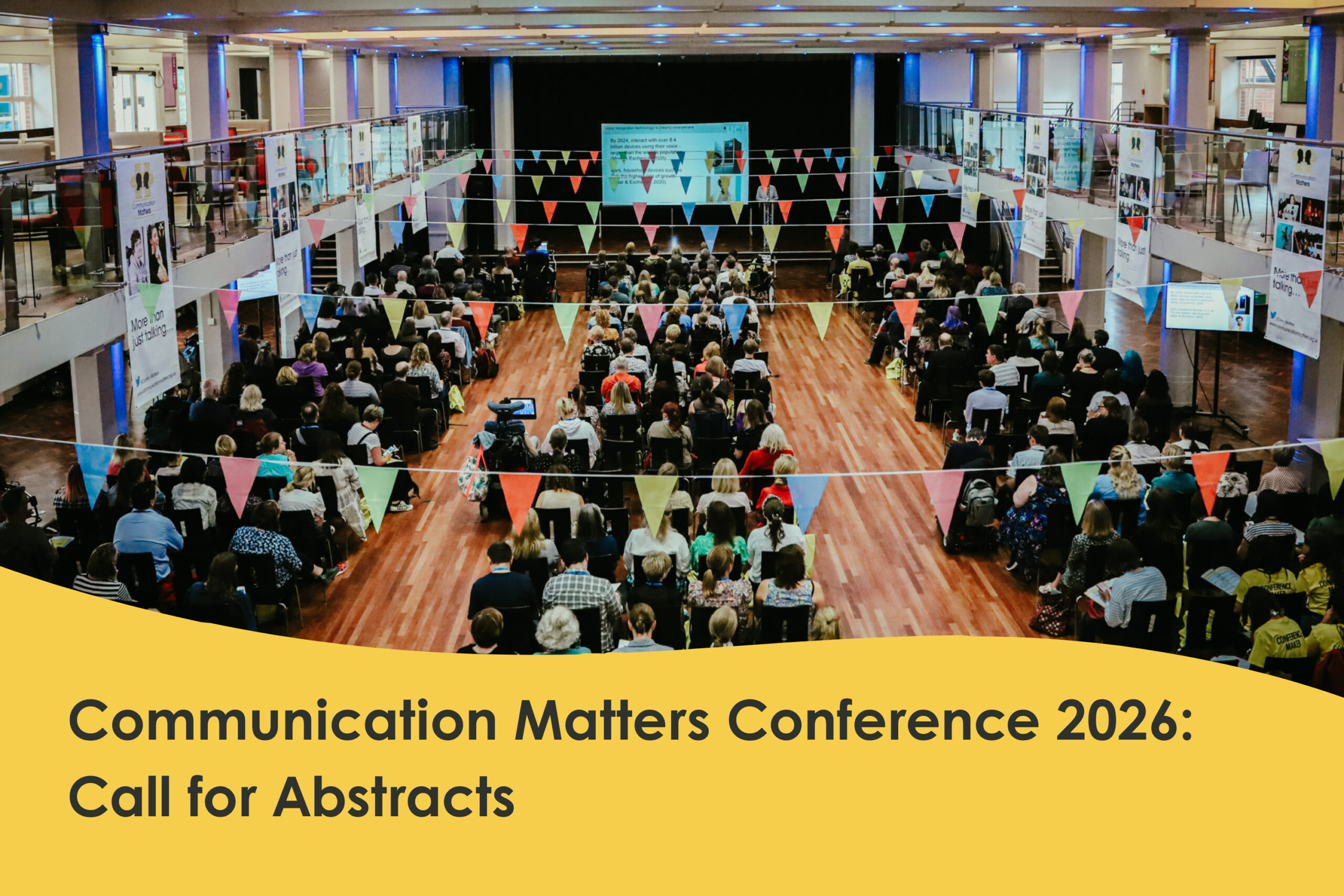
Join us in Leeds on 14-15 September 2026 for our International AAC Conference, where we will celebrate our 40th anniversary and explore how advocacy and innovation are breaking down barriers in augmentative and alternative communication.
Over two inspiring days, we’ll celebrate four decades of progress while looking boldly toward the future.
Our theme, “Communication Without Limits,” reflects our commitment to ensuring that everyone has a voice, regardless of the challenges they face.
Conference Streams:
Limitless Technology – Discover cutting-edge AI applications, eye-gaze advances, and integration innovations transforming AAC
Limitless Voices – Hear directly from AAC users through self-advocacy presentations and leadership showcases
Limitless Access – Explore improved service delivery models, funding solutions, and policy changes expanding AAC availability
Limitless Futures – Learn about pathways to employment, education, and social participation for AAC users
Limitless Legacy – Reflect on 40 years of achievement through pioneer interviews and historical perspectives
Whether you’re an AAC user, family member, therapist, educator, or technology developer, this conference offers invaluable opportunities to learn, connect, and advocate for communication access for all.
Communication Without Limits
Join us in celebrating 40 years of breaking barriers and building a future where communication truly has no limits.
We invite you to submit abstracts for our 40th anniversary conference!
As we celebrate four decades of advocacy and innovation in augmentative and alternative communication, we’re seeking presentations, workshops, and poster submissions that push boundaries and champion limitless communication for all.
WHO SHOULD SUBMIT?
We welcome submissions from:
- AAC users
- Speech and language therapists
- Educators and support staff
- Researchers and academics
- Technology developers
- Service providers and commissioners
- Family members and allies